

Comics Or Classics
A 1955 Response To Comic Book Censorship In Australia

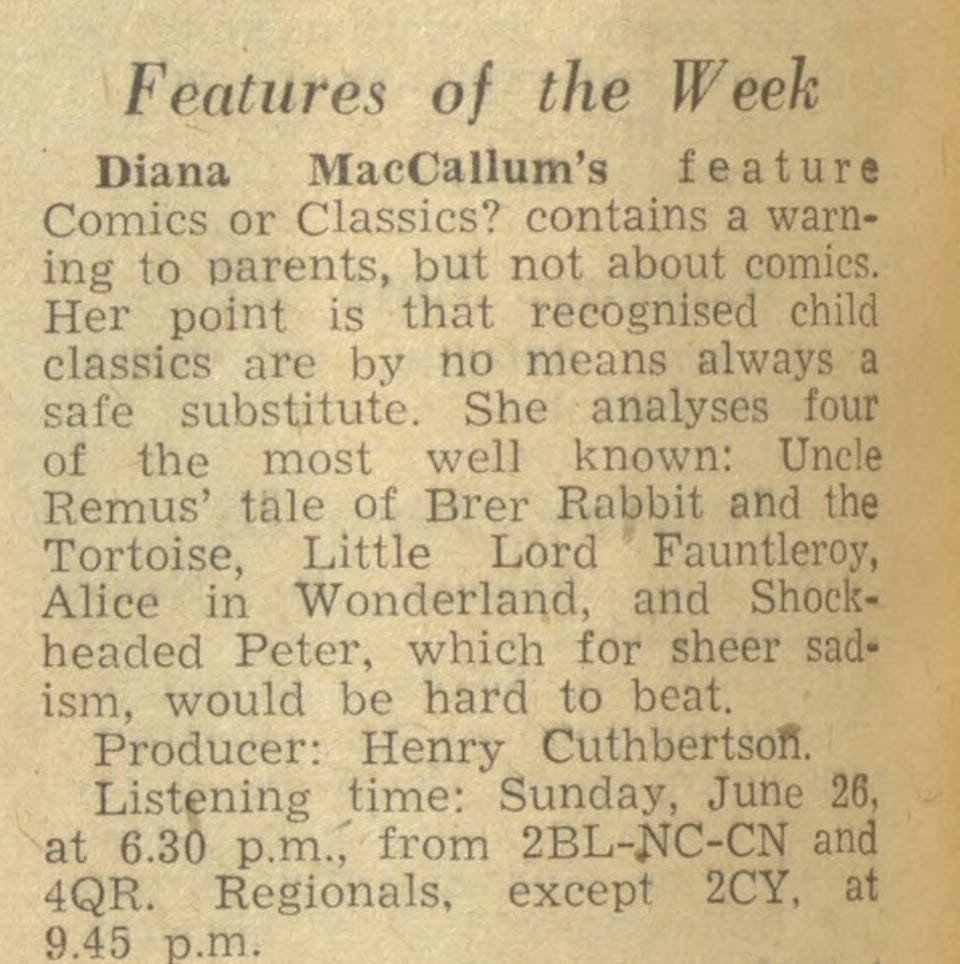
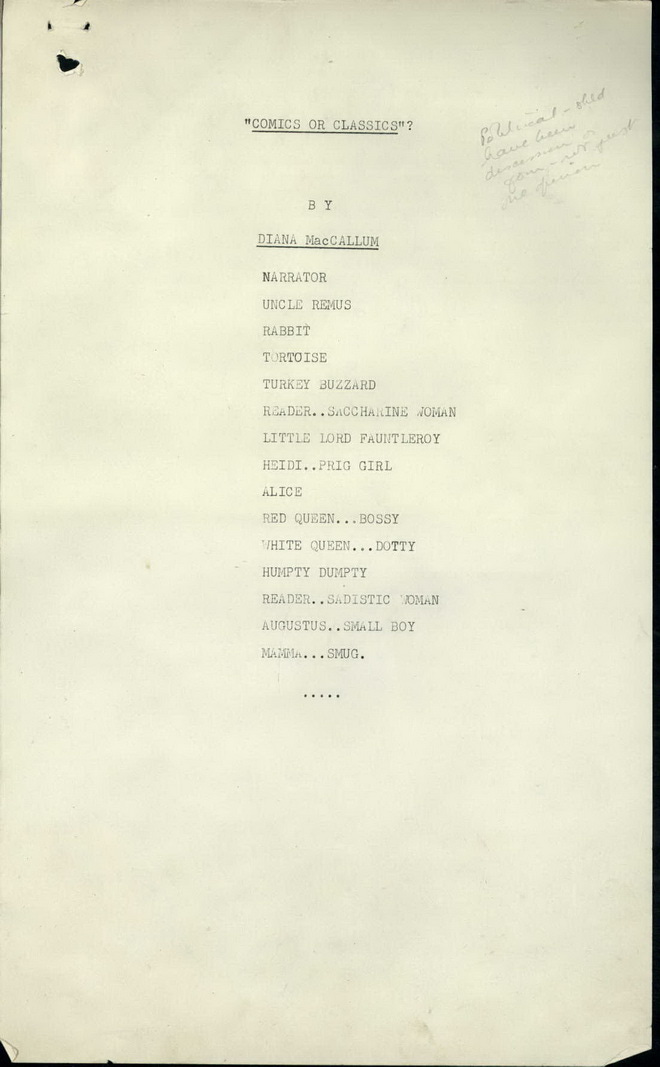
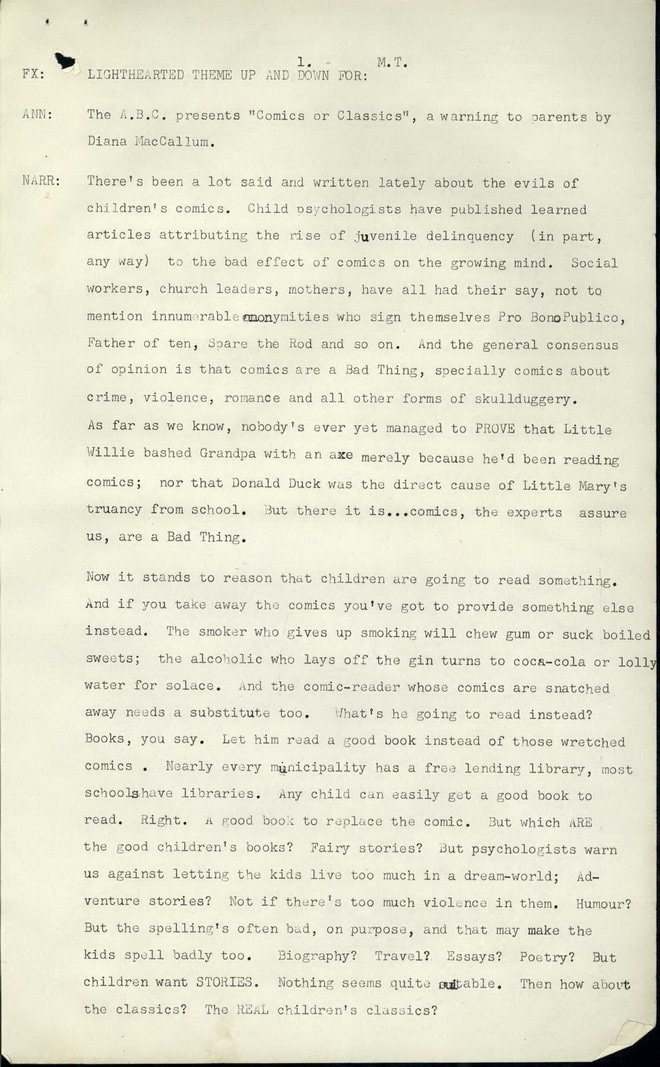
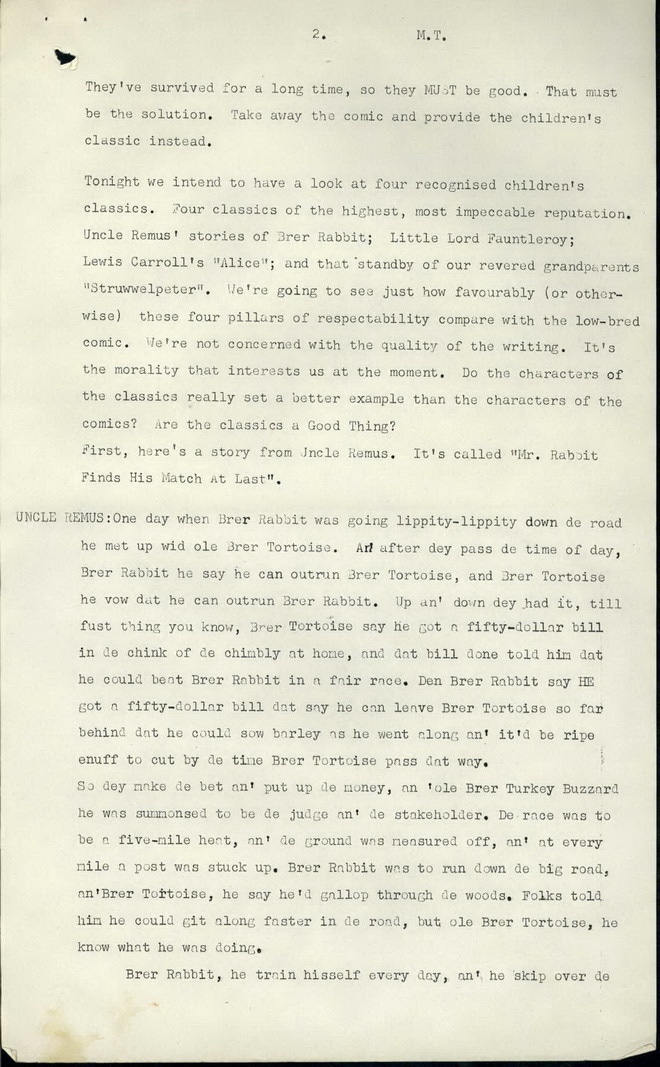
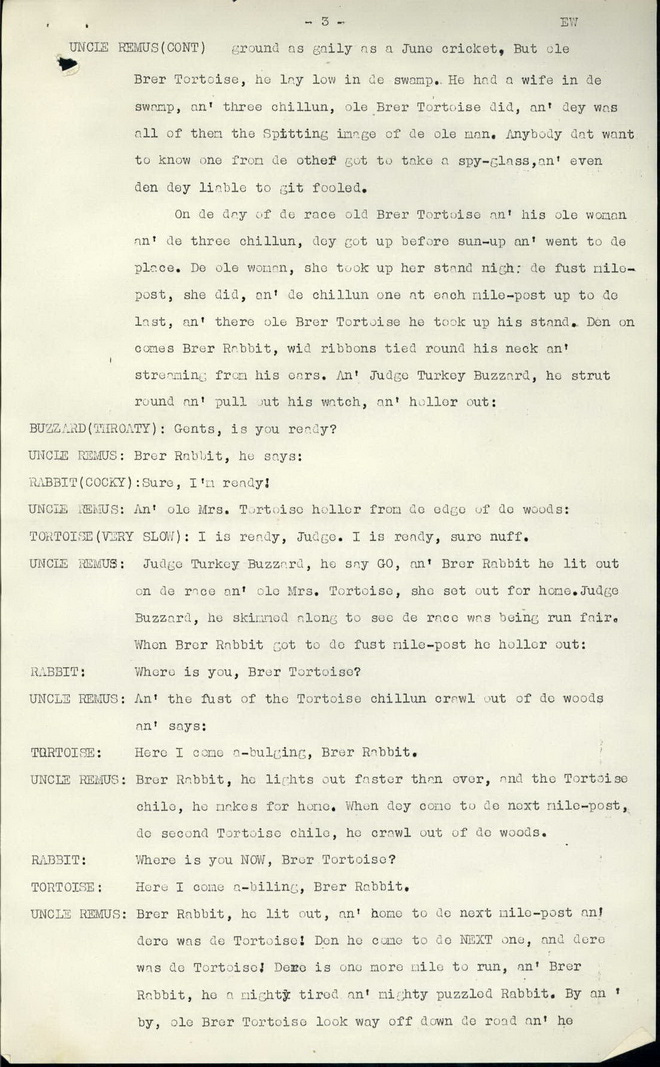
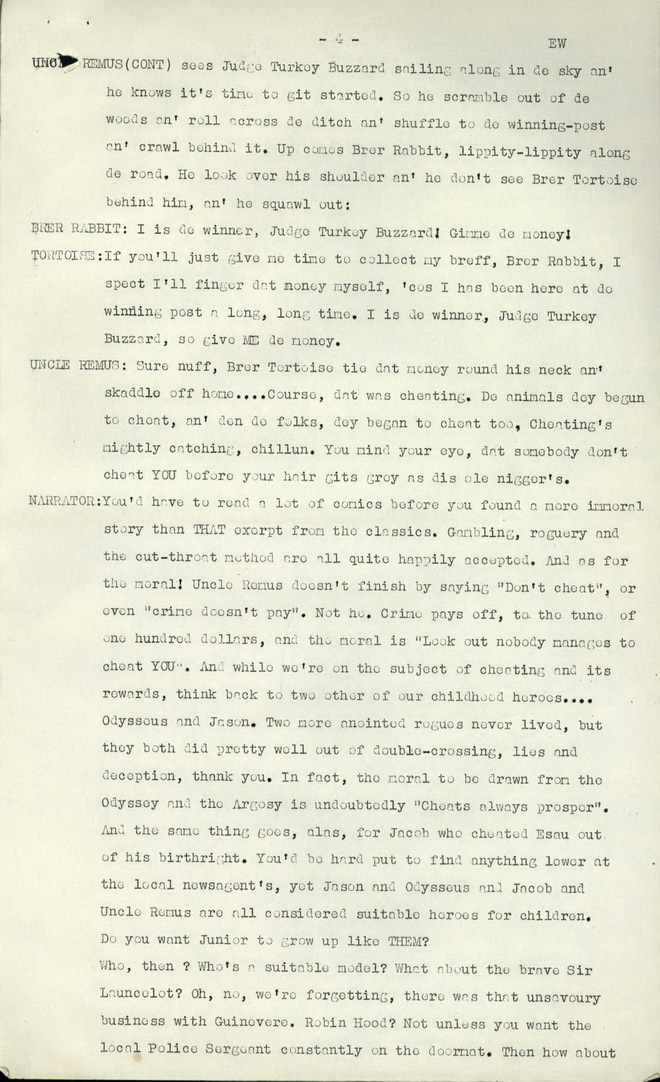
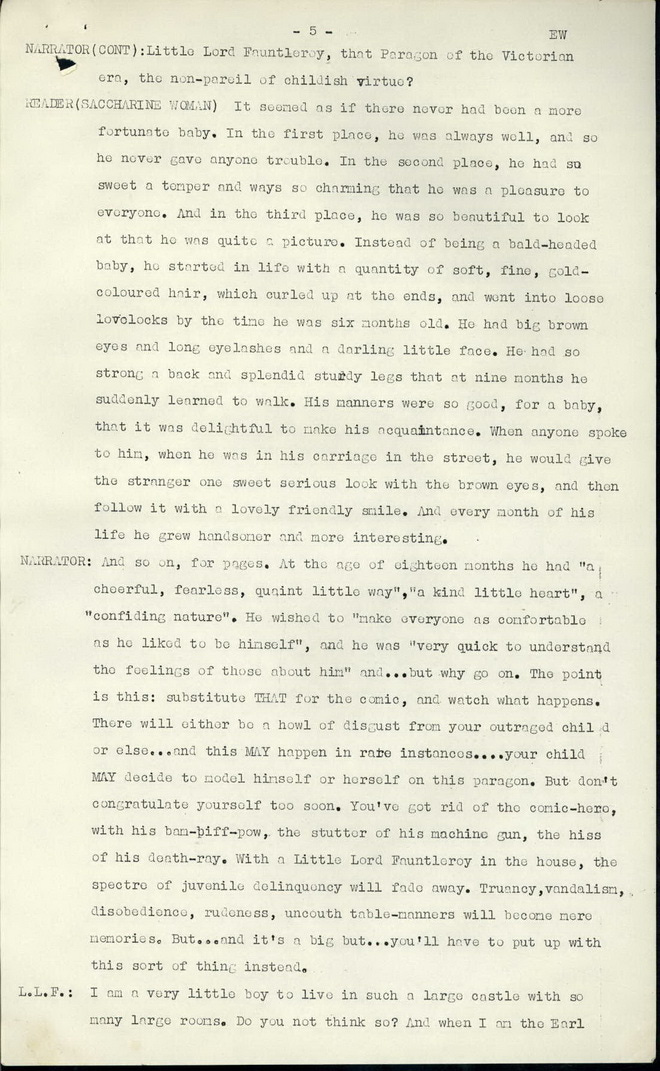
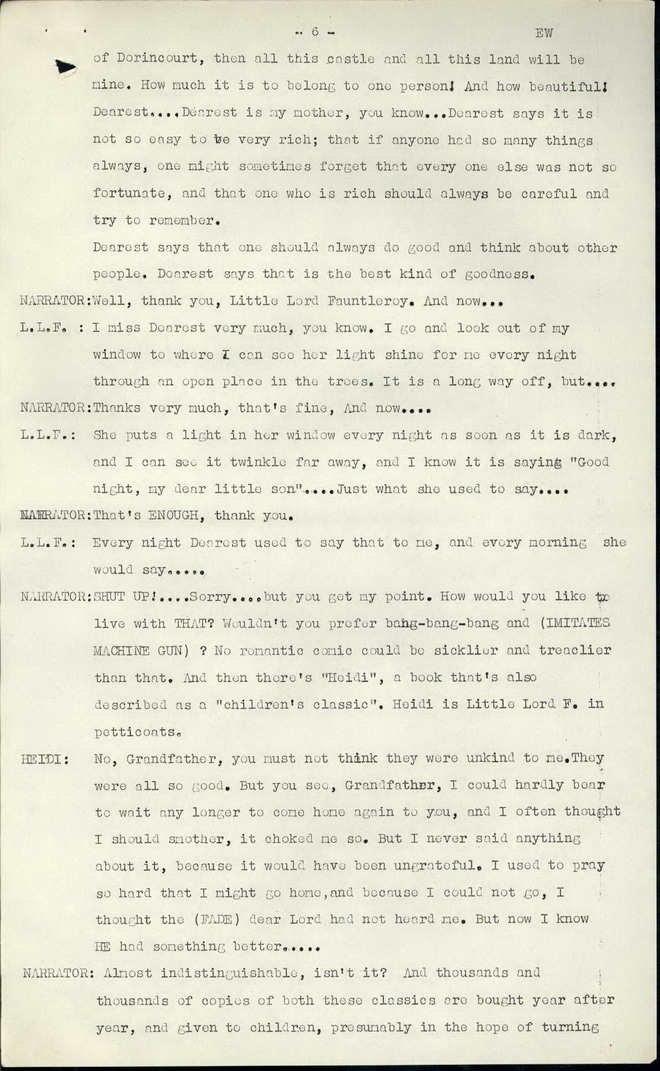
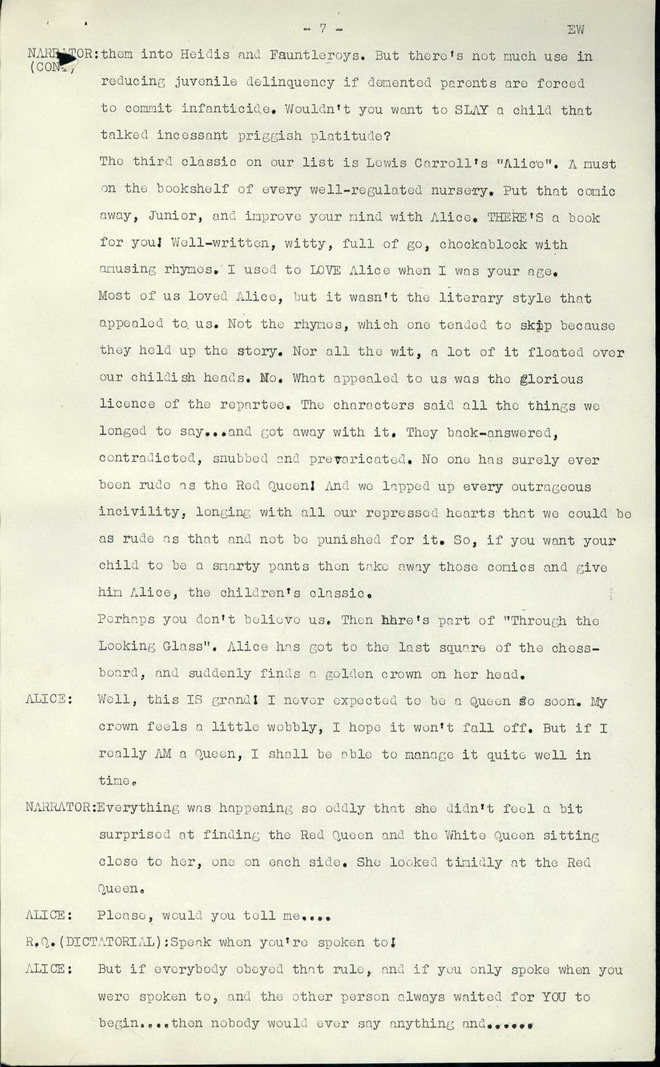
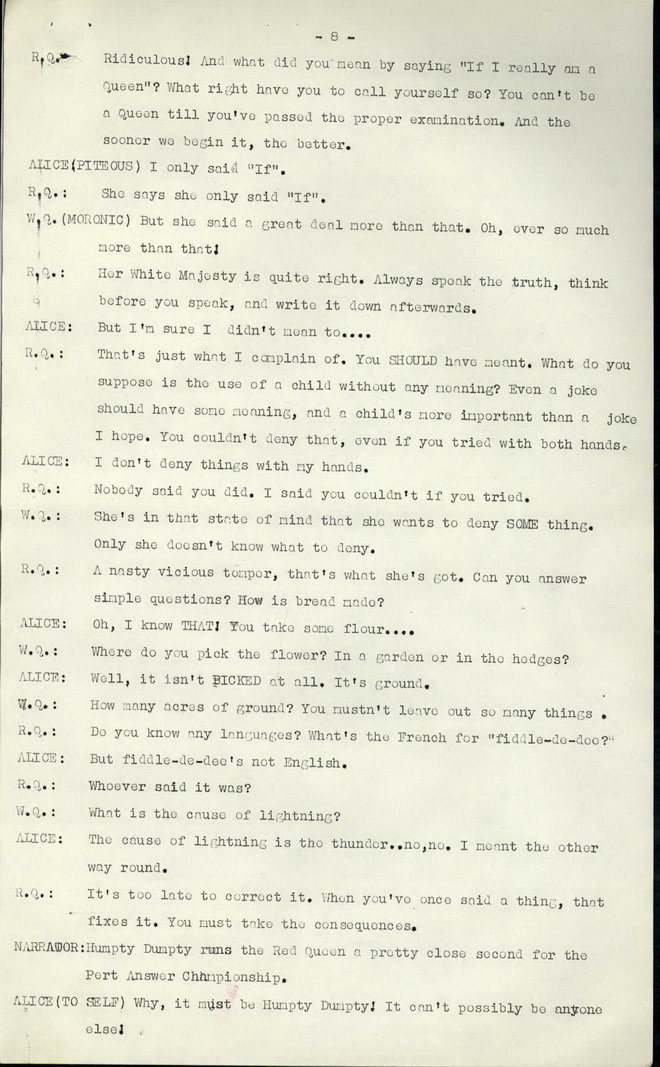
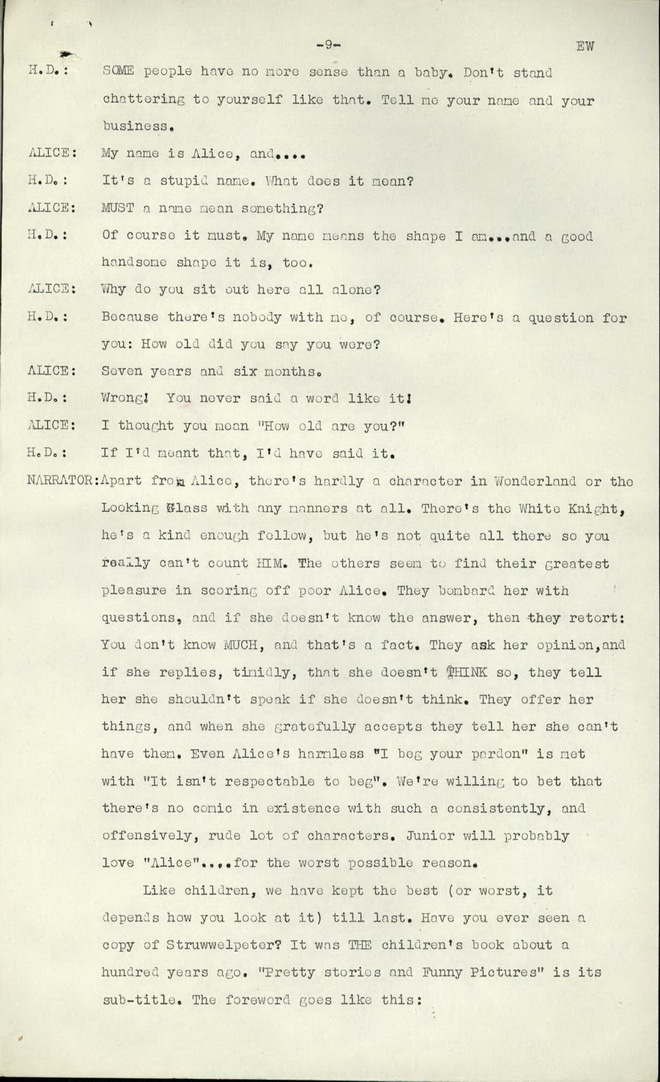
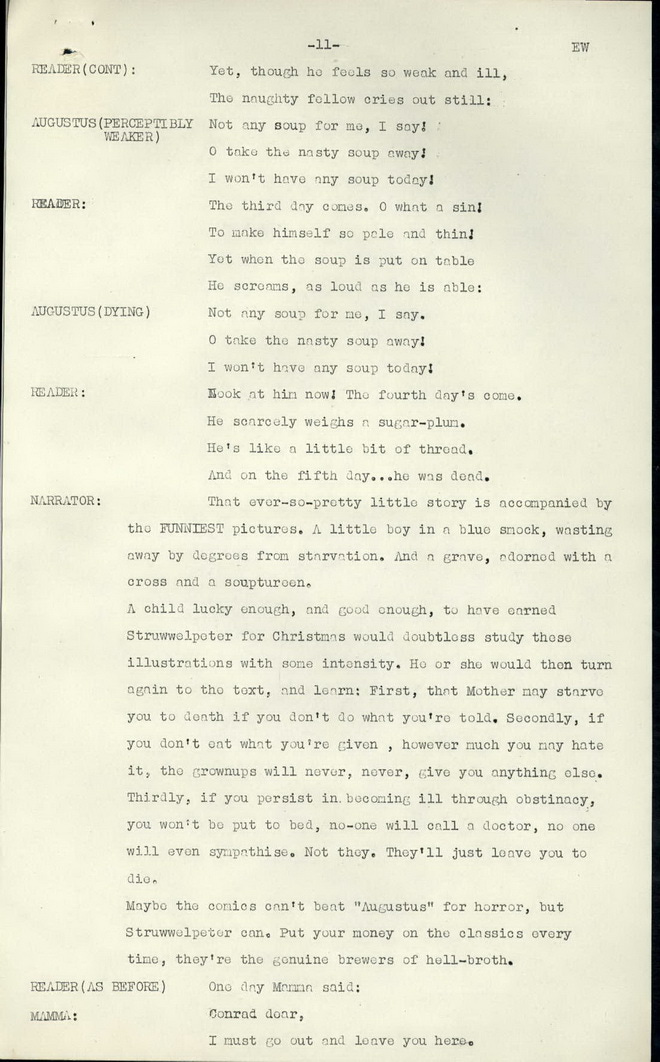
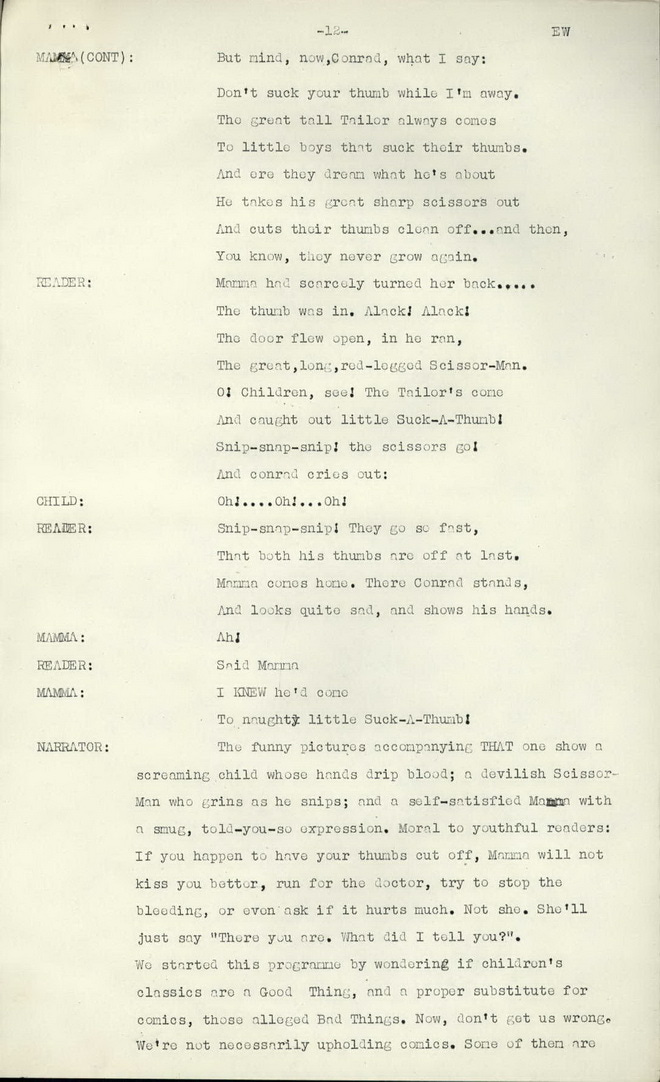
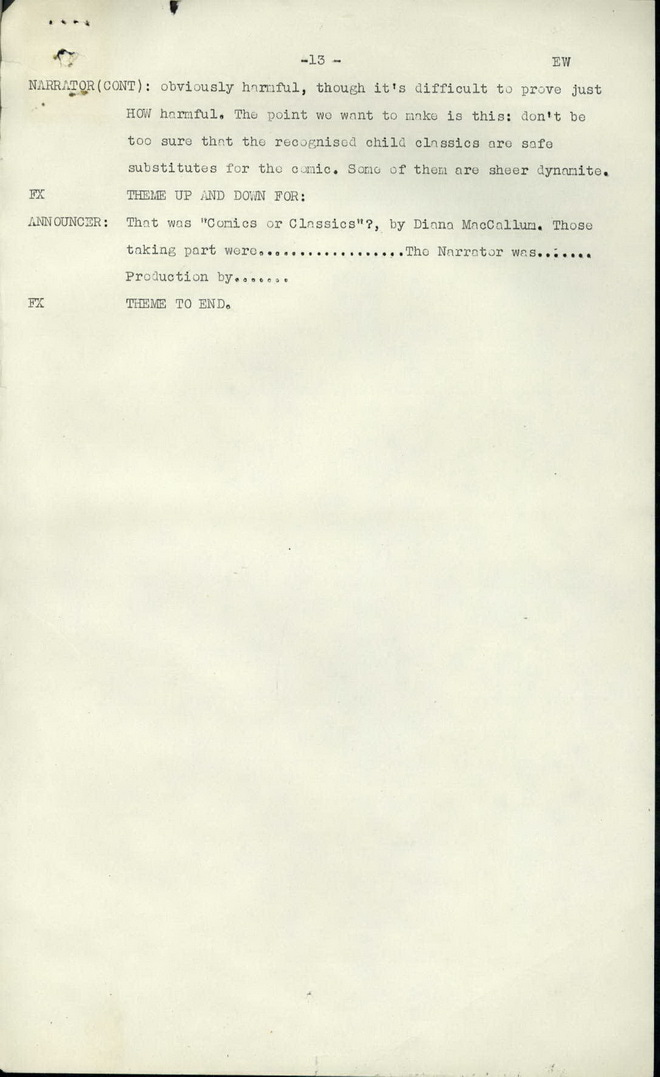
Comics or Classics is a largely forgotten radio broadcast, performed at a time when the merits of comic books, and their censorship, was being hotly debated, both in official circles and in the community as a whole. That the programme was allowed to be aired shows the mindset of the Government funded and run ABC Radio of the era – to allow such a controversial programme to air in the midst of parliamentary debate was a bold move by all concerned.
There appears to be no locatable recording of the show, so it’s difficult to piece together the overall feel and production values, but much like other period pieces, it’s highly possible that the show was recorded before an audience. What is known is that the show ran for just under 15 minutes on Sunday, June 26th, 1955. Starting at 6:30pm, this would have been the prime listening spot for families on a Sunday evening in Australia as television was still over a year away from being formally launched (it would be finally introduced in September, 1956, and remained a novelty, for the most part, for the rest of the decade). By 6:30 on a Sunday night parents and children both would be gathered around crystal sets and tuned into whatever station was preferred, be it light entertainment, music or the ABC, which catered for all.
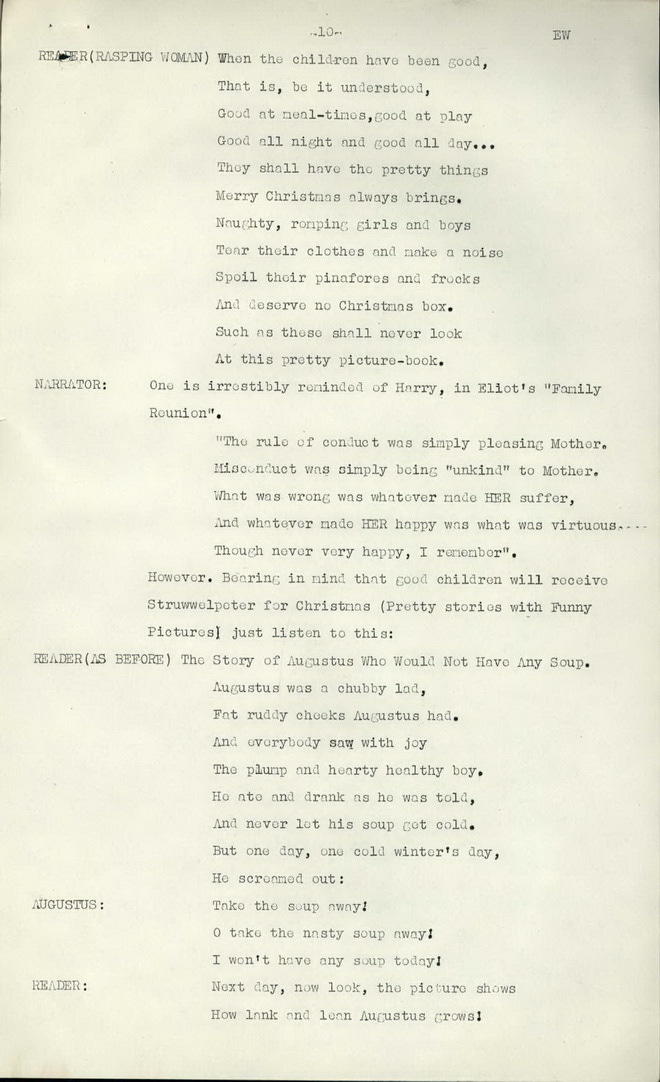
In the show, MacCallum put forward a theory that not all classic children’s stories were less harmful for children than modern comic books. Br’er Rabbit (racism), Little Lord Fauntleroy (juvenile delinquency), Alice in Wonderland and the classic Shockheaded Peter (sadism) were chosen to emphasize her point.
Out of the four, Shockheaded Peter remains the most amazing horror story wrapped up as a children’s story ever produced. An adaptation of the German book Struwwelpeter, it has to be read to be believed. That it was still being hailed as a children’s classic well into the 1970s and preferred to comic books is simply incredible.
Responses to the show were mixed, with most taking exception to the inclusion of Alice in Wonderland. It didn’t stop a single complaint coming into the ABC which then set off a full review of the show.
After the complaint was received, the General Manager of the ABC, Sir Charles Moses, wrote to the then Assistant Director of Drama, Paul O’Loughlin, on behalf of the Chairman, Sir Richard Boyer (who considered himself an educator) asking for an explanation as to how the show had been aired. A script was sent to Boyer, who read it and expressed the thought that the show should never have been aired due to the controversial nature of the content.[i]
O’Loughlin had clearly covered his bases by having had the script read by several people before it’d been purchased and felt that it was non-political. O’Loughlin also detailed that the only response that the ABC had received was a formal request for a copy of the show by an educator at the Bendigo teacher’s College for use in a formal class setting – hardly a complaint. Boyer’s response was that, although the script was fine, the topic could be better served in a debate format, which would have diluted the overall impact.
The fact that similar debates about children’s literature and comic books were happening in the New South Wales Parliament at the same time also helped O’Loughlin’s response.[ii] Moses then doubled down on his views, but it was too late, the show had been broadcast and there was nothing that could be done about it.
Viewed today Comics or Classics appears quaint and dated, but the message remains just as valid now as it did in 1955. People have been denigrating comic books since their introduction, but the reality is that traditional children’s stories and fairytales are often more violent and gruesome than the average comic book is or was.
When you compare a mid-1950’s comic book with a fairy tale such as Hansel and Gretel, in which a witch murders, cooks and eats young children or The Little Matchgirl who dies in the snow from hunger and exposure in extreme poverty through to the racism of 20th century English literature from the likes of Enid Blyton or anything with a Golliwog and much more than even the most graphic E.C. Comic can’t compete. This was despite religious and community groups calling for the banning of comic books in favour of the traditional tales and contemporary children’s books.
Comics or Classic served to show the hypocrisy of this stance by highlighting the inappropriateness of many children’s classics, when viewed out of context in the same manner that comic books were. The shame today is, as mentioned, the programme isn’t accessible, but there is still hope that it exists somewhere in the ABC archives as its historical value shouldn’t be underestimated.
[i] Charles Moses to Paul O’Loughlin, 1 July 1955
[ii] O’Loughlin to Moses, 7 July 1955
Daniel, you do great research and find amazing pieces of ephemera to support it! Mike